
When it comes to mold, I believe everyone is familiar with it. We often see mold in our daily lives, such as broken fruits and vegetables, leftover meals for several days, and even in dark and damp corners of our homes. Mold is everywhere in our living environment. Everyone knows that moldy and spoiled food cannot be consumed, so what exactly is mold? What are the hazards to the human body? How to effectively avoid food mold contamination? Below, VNYA will answer each question one by one.
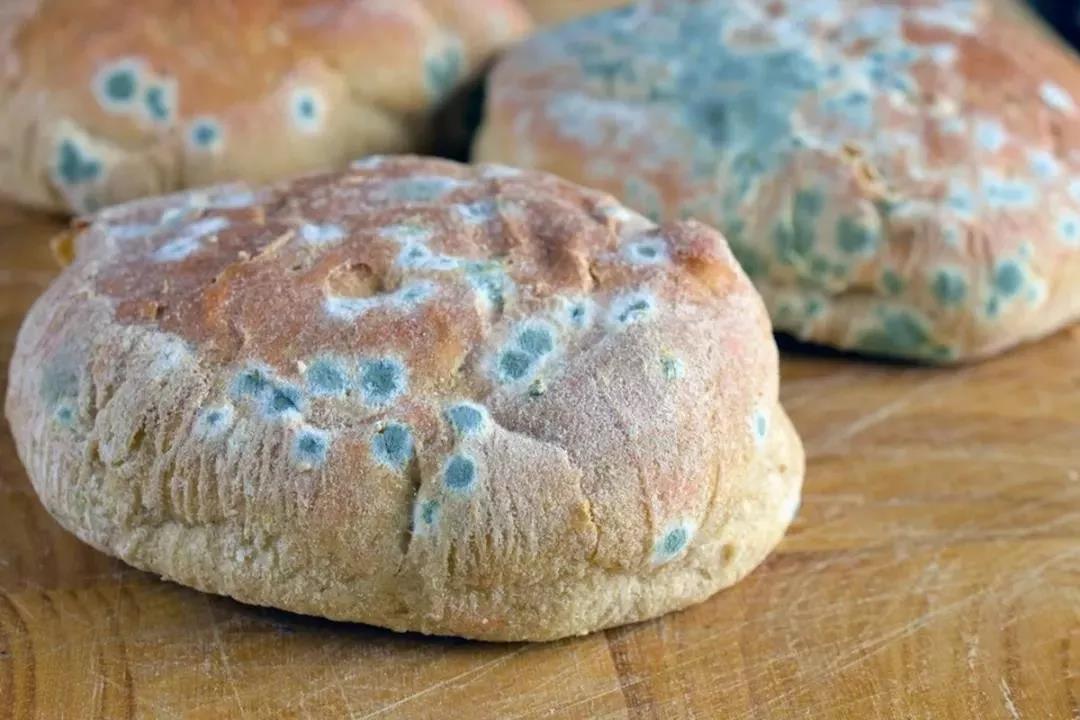
1.What is mold?
Mold is a type of fungus that forms branching hyphae. It has a dual impact on human health. On the one hand, it can be used for brewing, industrial fermentation, production of antibiotics and enzyme preparations, etc. On the other hand, certain types of fungi can cause the decay of agricultural and sideline products, food, raw materials and equipment, as well as various diseases in humans. A few types, such as Aspergillus flavus, can produce Aflatoxin, which is a carcinogenic substance that endangers human and animal health. Therefore, the detection of mold is crucial for the safety of food.
Why can’t moldy food be eaten?
Once food is contaminated with mold, not only will the color and taste change, but the nutrients will also be destroyed, greatly reducing the edible value of the food. If humans accidentally consume contaminated food, it can cause gastrointestinal diseases and even food poisoning, which can manifest as gastrointestinal discomfort, dizziness, fatigue, bloating, diarrhea, nausea, vomiting, etc; Some molds can also produce toxins, such as consuming food contaminated with Aflatoxin, which may cause damage to liver tissue.
2.The main source of mold contamination in food
(1) Poor sealing of product packaging and improper control of storage and transportation conditions
If the food packaging is not sealed properly and the storage environment has high temperature and humidity, reaching the conditions for mold growth, it will also increase the risk of mold contamination in stored food.
(2) Poor hygiene control and incomplete disinfection during the production and processing process
During the food processing, if food production and processing personnel do not maintain proper hygiene, they may introduce mold through their hands or clothing, causing food contamination. In addition, if the hygiene control of facilities and equipment is not in place, various pollutants such as bacteria, viruses, molds, chemicals, etc. are also prone to occur, seriously affecting the quality and safety of food, and even posing a threat to consumers’ health. Sterilization and disinfection are essential steps in the food processing process. Failure to follow the prescribed procedures for regular cleaning, improper use of disinfectant, or insufficient dosage can also cause food mold contamination.
(3) Raw materials or packaging materials are contaminated with mold
Materials that come into direct contact with food, such as containers and packaging materials, may pose a risk of secondary contamination if their cleanliness does not meet standards.
3.What foods are prone to mold growth?
1. Ginger: Ginger is a common seasoning, but if not stored properly, it can easily mold. Mold can grow on ginger, producing toxins that are harmful to human health.
2. Nut: Nut is a popular snack among many people, with high fat and protein content, providing a good growth environment for mold.
3. Dried salted fish: Dried salted fish is a traditional food, and mold can grow in the salt of dried salted fish, producing toxins that are harmful to human health.
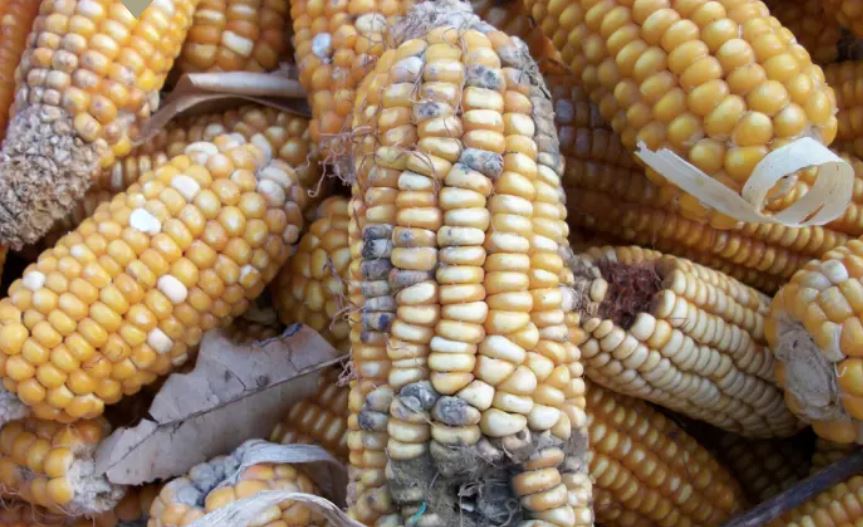
4. Grain: Grains such as rice, peanuts, corn, etc. are prone to moisture, heat, and pollution, which can cause mold growth. Moldy grains can produce toxins, which may lead to food poisoning when consumed.
5. Sugarcane: Sugarcane is a tropical fruit that is prone to moisture and heat, leading to mold growth.
4.How to avoid food mold contamination?
To avoid the harm of food mold contamination, consumers and producers should pay attention to the following points:
When choosing food, pay attention to the appearance and smell of the food, and avoid buying food with signs of mold, mildew, or spoilage.
When storing food, it is necessary to maintain a dry, ventilated, and dark environment to avoid moisture, heat, and direct sunlight.
Strict control of hygiene conditions is necessary during food processing to avoid mold contamination.
Thoroughly clean food before consumption to minimize the intake of mycotoxins in the food.
Regularly check the storage of food at home and promptly address any issues found.
If you have a need for testing mycotoxin, feel free to contact VNYA at any time! We provide convenient, fast, and accurate test kits to enable you to detect mycotoxin in food, agricultural products, milk, and feed faster and more effectively!