Aflatoxin B1 (AFB1) is one of the most carcinogenic toxins among known chemical substances, with a toxicity 68 times that of arsenic and 10 times that of potassium cyanide. The World Health Organization (WHO) lists it as a Group 1 carcinogen, and long-term ingestion in small amounts can cause irreversible damage to the liver, significantly increasing the risk of liver cancer.
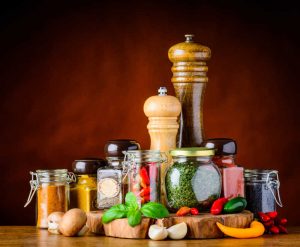
Short term excessive intake of AFB1 contaminated seasonings (such as moldy peanut oil) may cause acute poisoning, manifested as: digestive system: severe abdominal pain, vomiting, diarrhea; Liver injury: jaundice, liver area pain, elevated transaminase levels; Nervous system: dizziness, convulsions, and in severe cases, coma or even death. For example, in 1984, hundreds of people in India suffered acute liver damage and 106 died due to consuming contaminated corn.

Long term micro intake (such as exceeding the safe dose of 1 ng/kg body weight per day) can lead to: abnormal liver function: hepatocyte degeneration and fibrosis, gradually developing into cirrhosis; Immune system suppression: reduces resistance to viruses and bacteria, increases the risk of infection and cancer.
Source of seasoning contamination: hidden dangers from raw materials to processing
Raw materials such as peanuts, soybeans, corn, and other seasoning materials are prone to the growth of Aspergillus flavus in high temperature and high humidity environments. For example, peanut oil: Improper storage of peanuts (humidity>80%, temperature>25 ℃) increases the risk of fungal toxicity; Douban sauce: If the temperature and humidity are out of control during the fermentation process, mycotoxins can enter the finished product directly with the raw materials. Production process defects, inadequate hygiene conditions in small workshops or enterprises, and incomplete cleaning of equipment (such as residual mold and oil in oil presses); Lack of toxin detection technology and failure to screen and eliminate inferior raw materials.
Industry Trends and Policies: Strictly Control Standards to Ensure Safety
Standard update: GB 2761-2017 stipulates that the limit of AFB1 in soy sauce and Douban sauce is 5.0 μ g/kg, and in peanut oil it is 20.0 μ g/kg; The EU standards are stricter (peanut oil AFB1 ≤ 2.0 μ g/kg), and export companies need to pay special attention.
Upgrading detection technology: Enterprises recommend using high-precision laboratory detection technology or liquid chromatography-mass spectrometry, with a sensitivity of up to 0.02ppb; Quick screening tools, such as aflatoxin B1 test strips, are suitable for on-site sampling and can provide results within 10 minutes.
Strengthening government supervision: In 2024, market regulatory departments in multiple regions will carry out special inspections of seasonings, with a focus on cracking down on small workshops and agricultural markets.
Scientific detection technology assists in toxin prevention and control
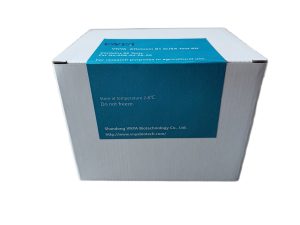
In the prevention and control of aflatoxin B1, rapid detection technology is the core link to ensure food safety. Our company’s research and development of aflatoxin B1 immunoaffinity column, test card, and ELISA kit, combined with cutting-edge immunochromatography technology, can accurately screen for toxin contamination in seasonings, providing dual protection for enterprises and consumers.
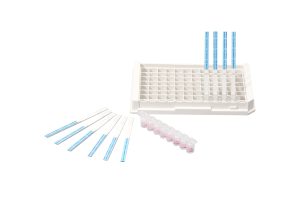
1. Aflatoxin B1 rapid test card: Rapid on-site screening
Applicable scenarios:
Enterprise self inspection: Immediate sampling inspection is conducted in the peanut oil pressing workshop and soy sauce fermentation tank to prevent raw material contamination from flowing into the production line.
Market supervision: Bulk seasoning screening in agricultural markets, targeting high-risk products (such as oil pressing and chili powder) within 15 minutes.
Family emergency: Portable home equipment testing card, no instrument required for operation, visual interpretation of results.
Advantages: Low cost, easy operation, suitable for non professionals to use.
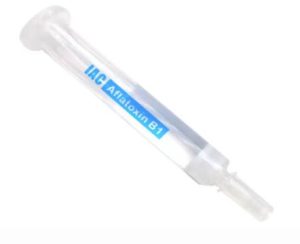
2.Aflatoxin B1 immunoaffinity column: Laboratory Accurate Quantification
Applicable scenarios:
Enterprise laboratory: Combined with HPLC method (such as GB 5009.22-2016), used for export product compliance verification.
Third party testing agency: Batch testing of trace toxins in seasonings, supporting multi toxin detection (such as AFB1+ochratoxin A).
Research traceability: Analyze the pathways of toxin contamination (such as fermentation process defects or uncontrolled storage environments).
Advantages: High precision (recovery rate of 85% ± 15%), able to cover the testing needs of all categories such as grains, edible oils, and sauces.
3.Technical combination suggestion: graded prevention and control system
Initial screening stage: Use detection cards to quickly remove high-risk raw materials (such as moldy peanuts and corn), saving costs by more than 50%.
Confirmation stage: For initially screened positive samples, retest with a reagent kit or LC-MS/MS to ensure compliance (e.g. EU export requires ≤ 2 μ g/kg).
Data management: Equipped with a fluorescence quantitative analyzer, the detection results are automatically uploaded to the enterprise quality management platform, achieving full traceability throughout the process.
If you want to learn more about food safety prevention and control, please follow VNYA’s updates!