Vomiting toxin, also known as deoxynivalenol (DON), is a fungal toxin widely present in grains and produced by certain strains of the Fusarium genus. It poses a threat to the health of humans and animals, with the main hazards including:
1. Hazards to human health:
After consuming food containing vomitoxin, humans may experience symptoms such as stomach discomfort, dizziness, bloating, headache, nausea, and vomiting. Long term exposure to vomitoxin may cause damage to the immune system, digestive system, hematopoietic system, etc., and in severe cases may even lead to death.
2. Food contamination:
Vomit toxins are widely present in crops such as wheat, corn, barley, and oats, as well as in foods made from these grains such as bread and cookies.
3. Harm to animals:
Vomiting toxins can cause decreased appetite, weight loss, metabolic disorders, and in severe cases, vomiting in animals. Animals have different types and genders of reactions to vomitoxin, and pigs are particularly sensitive to this toxin. Long term intake of feed containing vomitoxin can lead to stunted growth, weakened immune function, and even symptoms such as vomiting, rectal bleeding, and diarrhea in animals.
4. Effects on microvascular and liver function:
The half-life of vomitoxin in the human body is 2-4 hours, and its metabolism is rapid. However, long-term exposure may cause damage to organs such as microvessels and the liver.
5. Sensitivity to young animals:
Young animals are more sensitive to vomitoxin, which may lead to more serious health problems.
6. Embryotoxic and teratogenic effects:
Vomiting toxins may be toxic to embryonic development, leading to deformities.
7. Cytotoxicity:
Vomit toxins have strong cytotoxicity and can have toxic effects on various cell types, including prokaryotic cells, eukaryotic cells, plant cells, and tumor cells.
8. Potential carcinogenicity:
In 1998, the International Agency for Research on Cancer (IARC) classified vomitoxin as a Group III carcinogen, meaning it may be carcinogenic to humans, but the evidence is limited.
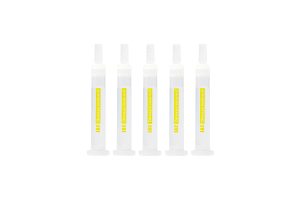
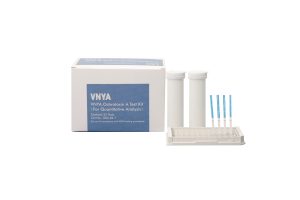
Due to the harmfulness of vomitoxin, testing for vomitoxin in food (using legitimate products on the market, such as VNYA Biotechnology Co., Ltd.‘s vomitoxin immunoaffinity column/vomitoxin chemiluminescence reagent strip/vomitoxin rapid detection product, etc.) can reduce its potential risks to human and animal health.