
The ‘invisible killer’ in moldy food: mycotoxins
Food mold is caused by the growth and reproduction of mold under suitable environmental conditions, such as warmth and humidity. These molds not only damage the appearance and taste of food, but may also produce toxic secondary metabolites – mycotoxins.
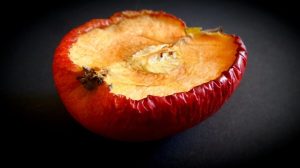
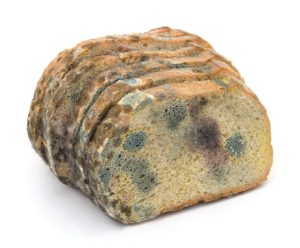
In daily life, we may have had the experience of opening food that has been stored for a long time and discovering that it is covered in mold. At this point, many people may harbor a sense of luck, thinking that after removing the moldy parts, the rest can still be eaten. But did you know that this kind of thinking could pose a huge threat to our health, as moldy food that enters the human body has a high risk of causing cancer. Today, we will unveil the mysterious veil of mycotoxins and understand their profound impact on health.
01.How do mycotoxins enter the human body?
1. Consume moldy food directly. Even if the moldy part is removed, the toxins produced by the mold may have spread to other parts of the food, making it difficult to detect with the naked eye.
2. Indirect ingestion. Entering the animal body through contaminated feed, and then entering the human body through meat, dairy products, etc. For example, after metabolism in cows, aflatoxin B1 is converted into aflatoxin M1, which remains in milk.
02.The carcinogenic causes of mycotoxins
1. Destruction of DNA structure
After entering the human body, aflatoxin is metabolized by the liver into a highly active intermediate that can bind to DNA, causing genetic mutations and ultimately leading to cancer.
2. Inhibit immune function
Fungal toxins can damage the human immune system, reduce the body’s ability to monitor and eliminate cancer cells, and increase the risk of cancer.
3. Inducing chronic inflammation
Long term intake of mycotoxins may lead to chronic inflammation of organs such as the liver and kidneys, which is one of the important causes of cancer.
4. Interference with normal cellular metabolism
Mycotoxins can interfere with the normal metabolic processes of cells, leading to abnormal cell proliferation and ultimately the formation of tumors.
03.Which foods are prone to producing mycotoxins?
① Grains: corn, rice, wheat, etc.
② Nuts: peanuts, almonds, walnuts, etc.
③ Oilseeds and edible oils: peanut oil, corn oil, etc.
④ Dairy products: milk, cheese, etc.
⑤ Seasoning and spices: chili powder, pepper powder, etc.
⑥ Fermented foods: soy sauce, bean paste, etc.
⑦ Wooden tableware: wooden chopsticks, wooden spoons, vegetable cutting boards, etc.
04.How to avoid the harm of mycotoxins?
1. Regular testing
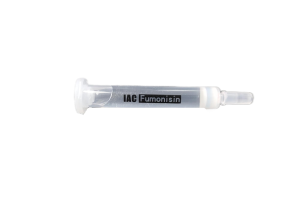
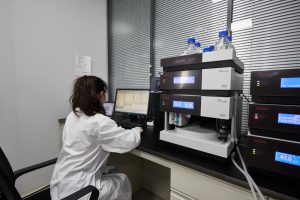
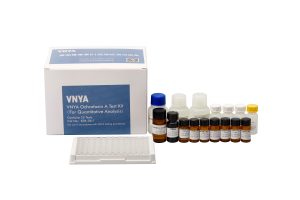
For large food and feed manufacturers, their products can be promptly sent to testing institutions for testing. Manufacturers with their own laboratories can conduct product testing themselves: using HPLC, LC/MS and other methods, using immunoaffinity column products to extract mycotoxin for precise and quantitative testing; Enzyme linked immunosorbent assay (ELISA) and ELISA kits can also be used for rapid quantitative detection.
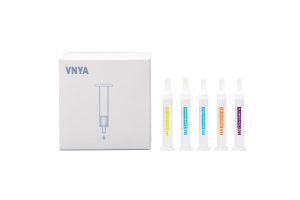
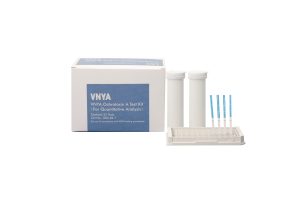
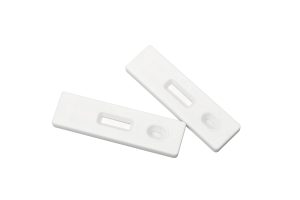
For simple home self inspection, you can use qualitative strips, detection cards, and other products to quickly determine whether the mycotoxin in food samples exceed the standard.
2. Properly store food
Store food in a dry and ventilated environment, avoiding high temperature and humidity conditions.
3. Discard moldy food
Once food is found to be moldy, it should be discarded immediately and not consumed.
4. Choose high-quality food
When purchasing food, choose products from legitimate channels to avoid buying expired or damaged packaging.
5. Pay attention to food safety information
Stay informed of food safety related news in a timely manner and avoid consuming contaminated food that has been reported.

Moldy food is not only a problem of poor taste, but may also hide carcinogenic “hidden killers” – mycotoxins.
By raising awareness of food safety and taking scientific preventive measures, we can effectively reduce the intake of mycotoxins and protect the health of ourselves and our families. Let’s start paying attention to food safety and stay away from the invasion of mycotoxins from today!