Mycotoxins are toxic metabolites produced by fungi, which are easily contaminated by mycotoxins during the harvesting, storage, transportation, processing, and other processes of feed grains. Experts from China collected 11 types of feed samples for testing in 2022, and found that the detection rate of aflatoxin B1 was 26.66%, with an exceedance rate of 4.44%; The detection rate of fumarate toxin (B1+B2) is 33.33%, and the exceedance rate is 0%. Experts collected 1025 samples of feed and feed grains in 2021. In the detection of mycotoxins, 99.51% of the samples were positive, and a total of 921 samples of feed and feed grains containing three types of mycotoxins accounted for 89.85%. This indicates that the multiple contamination of mycotoxins is very serious, and multiple contamination will further aggravate the toxicity of mycotoxins. Experts point out that in the livestock and poultry industry alone, losses caused by mycotoxin pollution can reach hundreds of millions of yuan annually. It can be seen that the problem of mycotoxin pollution has posed a serious threat to the feed industry and animal husbandry.
1.Types and hazards of mycotoxin
Due to the variety of mycotoxin, there are currently over 300 known types. Therefore, this article mainly analyzes the common fungal toxins in feed grains. 1.1 Aflatoxin Aflatoxin is a double furan ring toxin produced by Aspergillus flavus and parasitic Aspergillus, among which aflatoxin B has the highest toxicity and carcinogenicity. Yi Zongrong et al. (2020) compared the effects of normal corn and aflatoxin B contaminated corn on ducklings
Due to the variety of mycotoxin, there are currently over 300 known types.
1.1 Aflatoxin
Aflatoxin is a double furan ring toxin produced by Aspergillus flavus and parasitic Aspergillus, among which aflatoxin B1 is the most toxic and carcinogenic. Experts compared the effects of normal corn and aflatoxin B contaminated corn on the growth performance of ducklings, and found that compared with the normal corn group. The final weight of the corn group ducklings contaminated with aflatoxin B1 significantly decreased by 22%, the average daily weight gain significantly decreased by 31%, the average daily feed intake significantly decreased by 23%, and the feed to weight ratio significantly increased by 11%. Experts have studied the toxicity of aflatoxin B1. After feeding laying hens with feed containing aflatoxin B1, differential expression of inflammatory genes, protein coding genes, and miRNA was observed, which not only reduced the immune system of laying hens but also led to inflammation and carcinogenesis.
1.2 Fumonisin
Fumatoxin is a fungal toxin produced by the genus Fusarium, commonly found in feed grains such as corn, wheat, and sorghum. Experts point out that excessive intake of fumarate toxin can cause toxic reactions in humans or animals, and in severe cases, it can be fatal. According to the “Determination of Fumatoxin in Feed” (NY/T1970-2010), the detection limit of Fumatoxin is 0.01 mg/kg, and the quantification limit is 0.05 mg/kg. Experts determined the content of fumonisin in 225 corn samples from Gansu province, and found that the contamination rate of fumonisin corn in 2012 was 50.9%, with an average content of 0.224 mg/kg, far exceeding the detection limit. Experts attempted to feed chicks with excessive levels of fumarate toxin. After a 30 day experimental period, the final weight, serum albumin content, and SOD activity of the chicks significantly decreased, while the kidney to body ratio, liver to body ratio, and lung to body ratio significantly increased. This indicates that fumarate toxin not only restricts the normal growth and development of chicks and their serum immune levels, but also causes kidney, liver, and lung damage.
1.3 Ochratoxin
The contamination range of ochratoxin is relatively wide, commonly found in moldy and spoiled feed grains. In order to reduce the economic losses caused by mycotoxins, experts tested the content of aflatoxin A in 60 feed grains during 2020. The results showed that the detection rate of aflatoxin A was 1.60%, and the maximum detection value was 5.70 μg/kg, which is lower than the requirement of 100 μg/kg stipulated in the “Feed Hygiene Standards” (GB13078-2017). Experts fed young grass carp with feed contaminated with ochratoxin A, resulting in a decline in their growth performance and the occurrence of intestinal oxidative damage and accelerated intestinal cell apoptosis. Experts have analyzed the hazards of ochratoxin, and found that piglets consuming feed contaminated with ochratoxin can harm their liver and kidneys, and even cause intestinal mucosal necrosis.
1.4 T-2 toxin
T-2 toxin is mainly a fungal toxin produced by Fusarium oxysporum, and is the most toxic of the monoterpene toxins. Experts emphasized the harm of T-2 toxin to poultry, pointing out that T2 toxin can increase the activity of serum glutamyl transpeptidase in poultry, reduce immune organ index, and cause early cell apoptosis. Experts administered T-2 toxin at different doses to mice. When the T-2 toxin dose reached 2.5 mg/kg, the mortality rate of mice reached 25%, and the growth performance indicators of surviving mice were significantly reduced. Moreover, the mice’s internal organs, brain, and reproductive system were damaged.
1.5 Zearalenone
Zearalenone was initially isolated from corn with Fusarium head blight, and the main toxin produced is Fusarium. In 2017, the World Health Organization included corn zearalenone in the list of Group 3 carcinogens. Experts collected 782 small samples of feed grains, including corn and wheat, from feed factories. The detection rate of zearalenone in corn was determined to be 90.15%, with an exceedance rate of 1.41% (the national standard is 500 μ g/kg); The detection rate of zearalenone in wheat is 79.55%, with a exceedance rate of 5.71%. Experts tested the feed grains in the breeding farm, and out of a total of 48 feed grain samples, the detection rate of zearalenone was 75%, with an exceedance rate of 43.75%. From this, it can be seen that the pollution of zearalenone in feed grains is not optimistic.
2.Detection technology for mycotoxins in feed grains
Given the prevalence and harmfulness of mycotoxins, it is crucial to safely, efficiently, and conveniently detect their contamination in the feed industry and livestock breeding industry. Based on previous research, common fungal toxin detection techniques can be classified into the following categories.
2.1 Thin Layer Chromatography
Thin layer chromatography mainly utilizes the different affinities of compounds in adsorbents and supports to separate different types of compounds, and then determines the type of compound based on Rf value or fluorescence spot. This method can be used for preliminary separation and qualitative detection of aflatoxins, but due to its short fixation ratio and limited separation length, it is unable to quantitatively analyze aflatoxins in feed grains, resulting in high limitations. Experts point out that in the detection of aflatoxin in grain and oil foods, thin-layer chromatography can be divided into unidirectional and bidirectional unfolding methods. Unidirectional unfolding can easily affect the size and strength of fluorescent spots due to impurities, leading to errors in the detection results. Although bidirectional unfolding avoids the influence of impurities on the detection results, it requires additional work steps and detection time, so the effect is not high. In order to further improve the sensitivity and resolution of detection results, high-performance thin-layer chromatography has emerged. This method uses silica particles with narrow particle size distribution to prepare high-efficiency thin-layer plates, thereby increasing the span and improving separation.
2.2 Plate culture method
The plate culture method mainly uses solid culture medium to inoculate and culture cell tissues, and calculates the colony count through manual observation. In mold detection, the plate culture method first needs to dilute the small sample of feed grain for measurement. After the mold is diluted and dispersed into individual spores, it is placed in agar medium and cultured in an incubator at around 28 ℃ for 5 days. During this process, individual spores of the mold gradually form visible microbial colonies. Finally, the number of molds in the feed is calculated based on the dilution factor and inoculation quantity. In practical operation, the plate culture method has the following limitations: firstly, it is difficult to completely dilute the mold in the feed sample, and when multiple spores form a single microbial colony, the detection results may be smaller. Secondly, the plate culture method takes a long time and is difficult to conduct rapid testing on site. Moreover, during the cultivation period, the detection results are easily affected by contamination of the incubator, condensate water, and culture medium. Thirdly, according to the analysis above, it can be found that the contamination of feed grains by various fungal toxins is quite common, and the harm of different fungal toxins varies greatly. The degree and harm of feed grain contamination cannot be accurately reflected through a simple mold counting method. Zhao Ling et al. (2016) analyzed the uncertain factors when counting the number of fungi using plate culture method, and pointed out that sample preparation, incremental dilution, and sample volume addition can easily cause counting errors. In order to further identify the types of fungi in feed grains, research and development of selective culture media have been strengthened both domestically and internationally. It is hoped that based on the nutritional requirements or resistance of a certain fungus, this fungus can be transformed into a dominant strain for easier identification and improved detection efficiency. In order to detect Fusarium oxysporum in soil and ensure the yield and quality of alfalfa, experts have designed a selective culture medium for Fusarium oxysporum. This detection method not only has the characteristics of rapid detection, but also can quantitatively analyze the quantity of Fusarium oxysporum, providing early warning function for the prevention and control of soil borne diseases.
2.3 Liquid Chromatography method
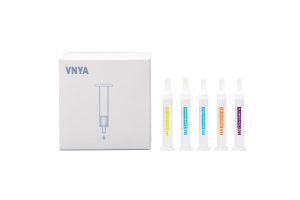
Liquid chromatography is a method that uses liquid as the mobile phase, initially used to separate different pigments, and with the maturity of technology, this method has gradually been used to separate colorless substances. However, liquid chromatography requires known standards as controls and cannot directly characterize unknown substances. The high-performance liquid chromatography method effectively compensates for the above shortcomings. This method uses a high-pressure infusion system, which can effectively separate mixed substances containing organic compounds, inorganic compounds, biomolecules, etc., and quantitatively analyze and detect the purity of the substances based on peak height and peak area. Although high-performance liquid chromatography has the advantages of fast analysis speed and obvious separation effect, it is easy to reduce the sensitivity of detection due to the problem of “out of column effect”. In the detection of mycotoxins in feed grains, in order to further infer the molecular structure of mycotoxins, pre-treatment of feed grain samples can be attempted using immunoaffinity columns or tandem mass spectrometry. Experts used immunoaffinity column purification high performance liquid chromatography to determine aflatoxins in feed, and found that four types of aflatoxins (B1, B2, G1, G2) showed good linear relationships at concentrations of 10 ng/mL and 50 ng/mL, with correlation coefficients of 1.0000 and 0.9998. The detection sensitivity was 0.2~0.3 ug/kg. Experts used immunoaffinity column purification high performance liquid chromatography to determine aflatoxin B1 in edible oil. The results showed that aflatoxin B1 exhibited a good linear relationship at concentrations ranging from 1 to 50 ng/mL, with a correlation coefficient of 0.999997, a detection limit of 0.03 ng/mL, and a quantification limit of 0.1 ng/mL. Experts used high-performance liquid chromatography tandem mass spectrometry to determine zearalenone in milk, and found that zearalenone exhibited a good linear relationship at concentrations of 2.5-100 μ g, with a detection limit of 1 μ g. It can be seen that using an immune affinity column for pre-treatment of feed grain samples and using high-performance liquid chromatography tandem mass spectrometry for toxin detection have the characteristics of high precision and good separation.
2.4 Enzyme linked immunosorbent assay
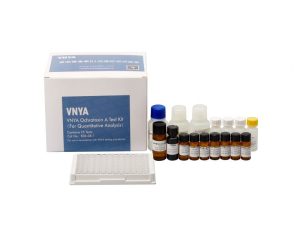
The essence of enzyme-linked immunosorbent assay (ELISA) is a solid-phase immunoassay technique that utilizes the reaction between antigens and antibodies, as well as enzyme labeling methods, to visualize the detection results. Although the enzyme-linked immunosorbent assay (ELISA) kits related to mycotoxin are highly dependent on the performance of antigens or antibodies, and the preparation and production are difficult, ELISA kits can demonstrate good sensitivity in the detection process of feed grains. Qualitative analysis is commonly used for mycotoxin detection, while quantitative analysis can rely on laboratory testing. Experts compared high-performance liquid chromatography (HPLC) and enzyme-linked immunosorbent assay (ELISA), and the experimental results showed that HPLC had the highest accuracy and sensitivity in detecting mycotoxins in feed grains. The pass rates for detecting vomitoxin, zearalenone, and aflatoxin B1 were 100%, 71.4%, and 83.3%, respectively, while the pass rates for ELISA were 69.4%, 64.7%, and 72.5%, respectively. Although the detection results of high-performance liquid chromatography are superior to enzyme-linked immunosorbent assay, enzyme-linked immunosorbent assay is superior in terms of simple operation, strong anti-interference ability, low cost, and rapid detection. Therefore, enzyme-linked immunosorbent assay can not only save the detection time and cost of mycotoxin, but also expand the detection range, making it suitable for on-site detection in the feed industry and animal husbandry.
3.
In summary, feed safety not only affects animal growth performance, immunity, and breeding efficiency, but also relates to the safety of animal derived foods. Given the prevalence and harm of mycotoxins, it is particularly important to conduct testing for mycotoxins before producing and processing feed grains and feeding animals. Although scholars at home and abroad have developed various detection techniques or improved existing detection techniques, in order to unify standards and effectively reduce the uncertainty of fungal toxin detection, China has made clear regulations on the detection of fungal toxins in feed grains through technical documents, such as “Determination of aflatoxins B1, B2, G1, G2 in feed” (GB/T 30955-2014) and “Determination of ochratoxin A in feed” (GB/T 30957-2014) using immunoaffinity column purification high performance liquid chromatography method; The determination of fumarate toxin in feed (NY/T 1970-2010) adopts liquid chromatography tandem mass spectrometry method. Although these methods have high accuracy, the detection cost is high. With the continuous expansion of the scope and projects of feed and grain detection, the development of efficient, convenient, and low-cost mycotoxin detection technology has become a future research direction.
Shandong Vnya Bio-technology Co.,Ltd has multiple solutions for feed testing. Welcome to consult!