
What are Mycotoxins?
Mycotoxins are toxic secondary metabolites produced by certain molds (such as Aspergillus, Penicillium, and Fusarium species) during their growth and metabolic processes. They are widely present in agricultural products, food, and Traditional Chinese Medicines (TCMs), characterized by high toxicity, strong stability, and the ability to cause disease even in trace amounts.
Why are TCMs Susceptible to Mycotoxin Contamination?
TCMs can harbor mold and produce toxins during cultivation, harvesting, storage, and transportation due to the following reasons:
-
High humidity environments (e.g., poor storage conditions in southern regions)
-
Improper drying (e.g., incomplete drying leading to internal mold growth)
-
Long-term storage (e.g., Citri Reticulatae Pericarpium (Chenpi), Lycii Fructus (Goji berries) are prone to toxin accumulation)
-
Nutrient-rich substrates (e.g., Jujubae Fructus (Red dates), Lycii Fructus with high sugar content are more susceptible to mold)
Common Mycotoxins in TCM and Their Hazards
(1) Aflatoxins – Potent Carcinogens, “Deadly Killers” of the Liver
Aflatoxins (AFT) are among the most toxic and carcinogenic mycotoxins known, primarily produced by Aspergillus flavus y Aspergillus parasiticus. They are commonly found in seed-based TCMs (e.g., Armeniacae Semen (Apricot seed), Persicae Semen (Peach seed)) and improperly stored root and rhizome TCMs. Their hazards include:
-
Liver Cancer Risk: Long-term intake of trace amounts (as low as 1 μg/kg) significantly increases the incidence of liver cancer. Classified as a Group 1 carcinogen by the WHO.
-
Acute Toxicity: High-dose exposure can cause liver necrosis, jaundice, and even death (as seen in the famous “Turkey X disease” outbreak).
-
Immunosuppression: Destroys immune cell function and reduces the body’s resistance.
(2) Ochratoxin A – A Covert Nephrotoxin
Ochratoxin A (OTA) is mainly produced by Aspergillus ochraceus and readily contaminates root and rhizome TCMs like Glycyrrhizae Radix et Rhizoma (Licorice) and Astragali Radix (Astragalus). Its toxic characteristics include:
-
Chronic Kidney Damage: Long-term intake can lead to tubulointerstitial fibrosis and kidney failure (linked to Balkan endemic nephropathy).
-
Teratogenicity and Carcinogenicity: Animal studies suggest OTA may affect fetal development and it is classified as a Group 2B possible carcinogen.
-
High Thermal Stability: Not completely degraded by conventional decoction, potentially remaining in TCM decoctions.
(3) Citrinin – A Dual Toxin Affecting the Liver and Kidneys
Citrinin is mainly produced by Penicillium y Aspergillus species, easily contaminating TCMs like Monaci Fermentatum (Red yeast rice) and Citri Reticulatae Pericarpium (Chenpi). Its toxicity includes:
-
Nephrotoxicity: Causes renal tubular necrosis; long-term exposure may lead to renal dysfunction.
-
Hepatotoxicity: Can cause liver cell damage and oxidative stress.
-
Potential Developmental Toxicity: Animal studies show it may affect fetal growth and development.
-
High Thermal Stability: Difficult to completely destroy via conventional processing, leading to persistent residues.
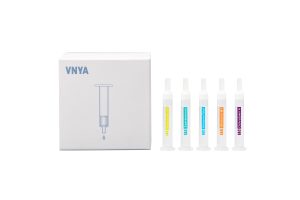
Mycotoxin Testing Solutions for TCMs
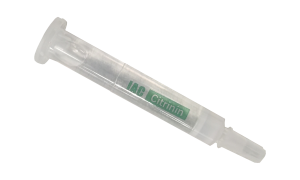
Immunoaffinity Column Purification + HPLC/LC-MS is the pharmacopoeia-recommended testing method. VNYA Biotechnology’s immunoaffinity columns provide solutions for mycotoxin detection in TCMs.
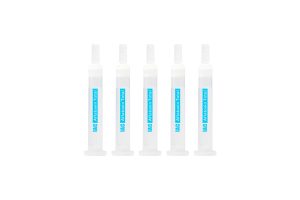
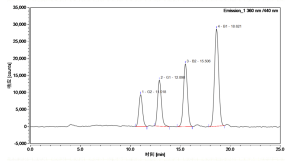
1. Aflatoxins Total Immunoaffinity Column
-
Catalog Number: A01-00-03-25
-
Specifications: 3 ml, 25 columns/box
-
Column Capacity: 400 ng
-
Recovery Rate: 80% – 120%
-
RSD: < 5%
-
Applicable TCMs: Coicis Semen, Platycladi Semen, Ziziphi Spinosae Semen, Citri Reticulatae Pericarpium, Jujubae Fructus, etc.
2. Ochratoxin A Immunoaffinity Column
-
Catalog Number: A01-16-03-25
-
Specifications: 3 ml, 25 columns/box
-
Column Capacity: 200 ng
-
Recovery Rate: 80% – 120%
-
RSD: < 5%
-
Applicable TCMs: Astragali Radix, Arecae Semen, Glycyrrhizae Radix et Rhizoma, etc.
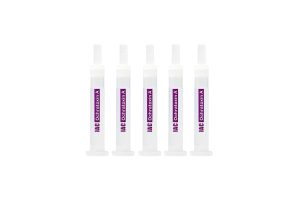
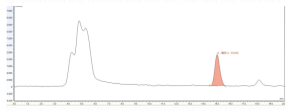
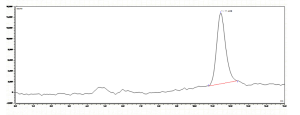
3. Citrinin Immunoaffinity Column
-
Catalog Number: A01-21-03-25
-
Specifications: 3 ml, 25 columns/box
-
Column Capacity: 250 ng
-
Recovery Rate: 80% – 120%
-
RSD: < 5%
-
Applicable TCMs: Monaci Fermentatum, fermented TCMs, etc.
 If you need further information about the suitability of our immunoaffinity columns or optimization of TCM testing methods, please feel free to contact us. Our technical team will provide you with one-on-one support!